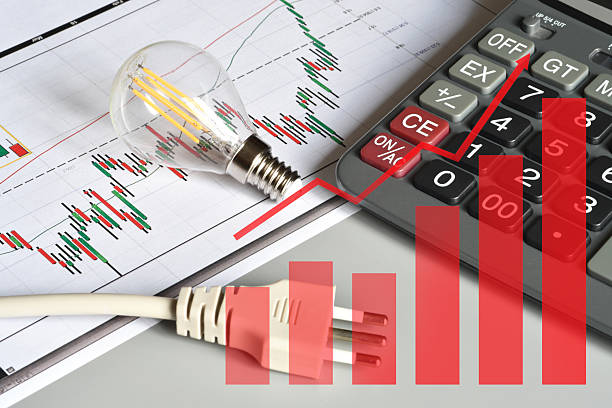
The European energy landscape is undergoing a profound transformation. As we move away from fossil fuels towards a future powered by renewables, the way we pay for electricity is also evolving. For many years, households were accustomed to "flat-rate" contracts where the price per kilowatt-hour remained identical whether you boiled a kettle at noon or charged an electric vehicle at midnight. However, with the rise of smart meters and decentralized energy, dynamic electricity tariffs are becoming the new standard for savvy consumers.
In essence, a dynamic electricity tariff is a pricing model where the cost of energy fluctuates based on the actual market price. In Europe, these prices are typically linked to the "day-ahead" spot market, such as the EPEX SPOT exchange. Instead of a fixed annual price, your energy provider passes the wholesale market price directly to you, usually updated every hour.
This means that when there is an abundance of wind and solar power being generated, or when overall demand is low, the price of electricity can drop significantly sometimes even turning negative. Conversely, during peak evening hours when everyone is cooking and lighting their homes, prices rise.
The primary advantage of shifting to a dynamic model is the potential for significant cost savings. By shifting energy-intensive activities such as running the dishwasher, laundry machines, or charging home battery systems to off-peak hours, households can slash their monthly bills.
Beyond the financial aspect, dynamic tariffs play a crucial role in the green energy transition. By incentivizing consumers to use power when renewable generation is high, we reduce the need for "peaker" plants that often rely on gas or coal to meet sudden spikes in demand. It is a win-win scenario for both the wallet and the planet.
For those looking to maximize the benefits of dynamic pricing, home energy production is the logical next step. While traditional rooftop solar installations are a major investment, a new trend is sweeping across urban Europe: plug-in balcony solar plants.
These compact systems are designed for accessibility. Unlike complex rooftop arrays, a balcony solar plant can be set up in minutes. By generating your own clean energy during the day, you reduce your reliance on the grid during mid-day hours when prices might still be moderate. More importantly, when combined with a dynamic tariff, these systems allow you to become an active participant in the energy market. You can use your self-generated power for your baseline consumption and only draw from the grid when the dynamic rates are at their lowest.
For urban dwellers or renters who previously thought solar power was out of reach, modern solutions like plug-in balcony solar plants offer a "plug-and-play" convenience that fits perfectly into the modern, flexible energy ecosystem.
While the potential for savings is high, dynamic tariffs require a change in mindset. To truly benefit, you need:
Dynamic electricity tariffs represent the future of a flexible and sustainable European power grid. They empower consumers to take control of their energy costs and support the integration of renewable sources. By pairing these smart contracts with innovative hardware like balcony solar modules, any household regardless of whether they live in a farmhouse or a city apartment can contribute to a greener future while keeping their electricity expenses under control.

This post has been published by the admin of our website, responsible for content management, quality checks, and providing valuable information to our users.