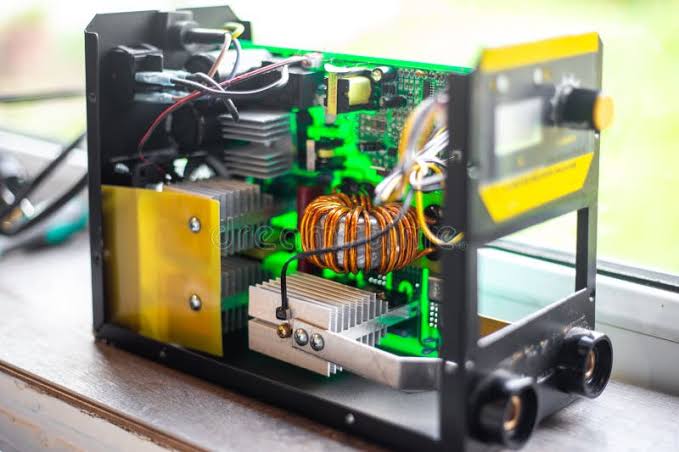
Welding machines are used every day in workshops, construction projects, fabrication units, automobile repair shops, manufacturing facilities, and agricultural businesses across Pakistan. These machines are designed to handle demanding work, but regular use, poor maintenance, electrical problems, and difficult working conditions can eventually lead to failure.
A welding machine that suddenly stops working can interrupt projects and cause unnecessary expenses. In many cases, the problem can be prevented by understanding the common causes of failure and taking appropriate maintenance measures.
Here are some of the most common reasons welding machines fail in Pakistan and what users can do to reduce the risk.
Unstable electricity can be a concern for electrical equipment in many areas of Pakistan. Frequent voltage fluctuations can put additional stress on the internal components of a welding machine.
Sudden changes in voltage may affect sensitive electrical parts and, over time, contribute to component failure. This is particularly important for modern inverter welding machines, which contain electronic components that need a suitable power supply.
Using the machine with the correct electrical connection and appropriate protection can help reduce the effects of unstable power conditions. If voltage problems occur regularly at a workshop, it is worth consulting a qualified electrician about suitable electrical protection.
Dust is another common cause of equipment problems, particularly in busy fabrication and metalworking workshops.
Welding machines usually have ventilation openings that allow air to circulate and keep internal components cool. When dust and metal particles accumulate inside or around these openings, airflow can become restricted.
Poor ventilation can cause the machine to operate at higher temperatures. Over time, excessive heat may damage internal components and reduce the machine's overall reliability.
Regular cleaning and keeping the machine in a reasonably clean working environment can help prevent this problem.
Welding generates significant heat, and the machine itself can become warm during extended operation. However, excessive overheating can indicate a problem.
Operating the machine beyond its recommended duty cycle is one common cause. If a machine is designed to operate for a certain period before cooling, continuously welding without breaks can place excessive stress on its components.
High temperatures during Pakistani summers can make this problem worse, particularly when a machine is being used in a poorly ventilated workshop.
Allowing the equipment to cool when necessary and keeping ventilation openings clear can help reduce overheating.
Like any other piece of workshop equipment, welding machines need regular care. Ignoring small problems can eventually result in major failures.
Cables, connectors, electrode holders, work clamps, switches, fans, and ventilation openings should be checked periodically. Dust should be removed, and damaged external components should be replaced when necessary.
A basic maintenance routine can identify problems before they affect the machine's main electrical components.
Welding cables are exposed to heat, movement, pressure, and rough workshop conditions. They can become damaged if they are repeatedly bent, dragged across sharp surfaces, or stored incorrectly.
A damaged cable can result in poor current flow, an unstable arc, or complete loss of welding output. Exposed wires can also create a serious safety hazard.
Inspect cables regularly and replace them if they show significant damage. Avoid using temporary repairs as a long-term solution for badly damaged cables.
Loose connections can cause inconsistent welding performance and excessive heat at connection points.
Connections should be checked periodically to make sure they are secure. A poor connection between the machine, welding cable, electrode holder, or work clamp can prevent the equipment from operating correctly.
If an internal connection is suspected to be loose or damaged, the machine should be inspected by a qualified technician rather than opened without proper electrical knowledge.
Using incorrect settings can affect both weld quality and machine performance.
The welding current should be appropriate for the electrode, material, thickness, and welding process. Setting the current unnecessarily high can generate additional heat and place more stress on the machine.
Operators should follow the manufacturer's recommendations and make sure they understand the correct settings for the job.
Proper settings not only help produce better welds but can also reduce unnecessary strain on the equipment.
Welding machines contain electrical components that can be affected by moisture. Storing equipment in damp areas or exposing it to rain can increase the risk of electrical problems.
Workshops should keep welding machines in dry areas whenever possible. The machine should also be protected from water during transportation and outdoor work.
If equipment has been exposed to significant moisture, it should not simply be switched on immediately. A qualified professional should determine whether it is safe to operate.
Cooling fans help control the temperature of many welding machines. If a fan becomes blocked with dust or stops working, the machine may overheat.
A noisy fan, reduced airflow, or repeated thermal shutdowns can be warning signs of a cooling problem.
Keeping ventilation areas clean is an important first step. If the fan itself has failed, it may need to be repaired or replaced by a qualified technician.
Every welding machine has operating limits. Using equipment continuously at maximum output can increase wear and heat buildup.
This can happen in busy workshops where machines are used for long periods without sufficient cooling time.
Before purchasing equipment, users should consider their expected workload and select a machine with suitable capacity and duty-cycle specifications.
Using the machine within its recommended limits can significantly reduce unnecessary stress.
The accessories used with a welding machine can also affect its performance. Incorrect electrodes, damaged cables, unsuitable connectors, or poor-quality components can create problems.
Before starting a job, make sure the accessories are compatible with the machine and welding process.
Using appropriate accessories can improve welding performance and reduce the likelihood of avoidable equipment problems.
Even a well-maintained welding machine can eventually experience wear. Internal components can deteriorate after years of regular use, particularly when the machine has operated under demanding conditions.
Older equipment may begin showing signs such as frequent overheating, unstable output, unusual sounds, or repeated shutdowns.
Age does not automatically mean that a machine needs to be replaced. Some faults can be repaired by replacing individual components. However, repeated failures may indicate that the equipment is approaching the end of its practical working life.
Recognising early warning signs can prevent a minor issue from becoming a major failure.
Users should pay attention to:
These symptoms should not be ignored. Continuing to use faulty equipment can sometimes cause additional damage.
Some welding machine problems can be addressed through basic maintenance, but internal electrical faults require professional attention.
If the machine repeatedly overheats, stops working, produces inconsistent output, or shows signs of internal damage, it is better to have it properly diagnosed.
For workshops that rely on welding equipment for daily operations, a professional welding machines repairing service in pakistan can help identify the underlying fault and determine whether the machine can be safely repaired.
Professional diagnosis can also prevent users from replacing an otherwise repairable machine unnecessarily.
Preventive maintenance is one of the simplest ways to improve equipment reliability. Keep welding machines clean, protect them from moisture, maintain proper ventilation, inspect cables regularly, and avoid exceeding the recommended duty cycle.
Workshops should also make sure operators understand the correct use of the equipment. Basic training can help prevent problems caused by incorrect settings, poor connections, or improper handling.
During periods of extreme heat, additional attention should be given to ventilation and cooling. Similarly, equipment used outdoors should be protected from rain and excessive moisture.
Welding machine failure can result from many different causes, ranging from voltage fluctuations and dust to overheating, poor maintenance, damaged cables, and normal component wear.
Many problems can be reduced through regular cleaning, proper storage, suitable electrical connections, correct welding settings, and responsible operation. Early attention to unusual behaviour can also prevent more serious failures.
When a problem involves internal components or cannot be resolved through basic troubleshooting, professional diagnosis is the safest approach. With proper maintenance and timely repairs, welding machines can provide reliable performance and help Pakistani workshops avoid unnecessary downtime and replacement costs.

This post has been authored and published by one of our premium contributors, who are experts in their fields. They bring high-quality, well-researched content that adds significant value to our platform.