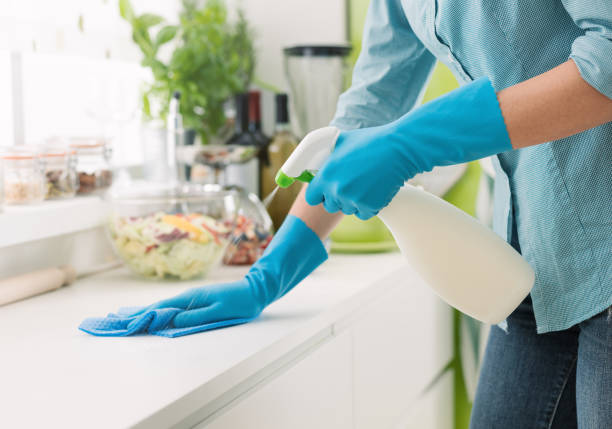
Professional cleaners swear by microfiber cloths. These cloths attract dust and debris better than cotton, making cleaning quicker. Always keep a few dry and damp ones for various surfaces around your home
They work wonders on glass and electronics too. No streaks and no lint left behind. Plus, they’re reusable and eco-friendly, saving both money and waste.
Spray a little vinegar on a microfiber cloth for mirrors. Wipe down with circular motions for a perfect finish. It works faster than traditional window sprays.
Use color-coded microfiber cloths for different zones. Blue for bathrooms, green for kitchens—this avoids cross-contamination and makes routines easier to remember and stick with.
Always clean from the highest surfaces down. Start with ceiling fans and top shelves. This technique prevents dust from falling on already cleaned areas, saving you time.
Use a pillowcase to clean ceiling fan blades. Slip it over the blade, pull, and the dust collects inside the case. It keeps the mess contained and the fan spotless.
Walls and light switches gather grime too. Wipe them down regularly. A damp cloth with mild soap gets rid of fingerprints and stains without damaging paint.
Finish with baseboards and floors last. This method captures everything that settles. It’s how professionals ensure homes look polished from top to bottom every time.
Spray cleaners and let them sit for 5–10 minutes before wiping. This gives the product time to break down dirt and grime, making your work much easier.
Bathroom tiles benefit most from this trick. Spray and wait before brushing. Grime and soap scum lift off easily, saving you time and elbow grease.
Apply the same method to kitchen grease. Letting degreasers soak on stove hoods and oven doors allows effortless cleaning with less scrubbing.
This pause time is perfect for multitasking. You can check your messages or book a rent a car service while the cleaner works for you in the background.
Baking soda is a miracle scrub for sinks, tubs, and stovetops. Sprinkle it on and use a damp sponge. It’s gentle but powerful at removing grime without scratching surfaces.
Combine baking soda with vinegar for drains. Pour soda first, then vinegar. Let it fizz for a few minutes and rinse with hot water. Your pipes will stay fresh and unclogged.
This mix also deodorizes garbage disposals. Toss in a spoon of soda, some vinegar, and rinse with ice cubes. It clears odors and keeps blades sharp and clean.
For stained grout, make a baking soda paste. Apply, let it sit, and scrub with an old toothbrush. It brightens tiled areas and restores a fresh, clean look.
Professional cleaners use caddies with essential tools. Carry one as you clean. It keeps everything handy so you’re not running around for supplies every few minutes.
Set a timer for 15–20 minutes per room. This adds structure and motivation. You’re less likely to get distracted and more likely to finish the job efficiently.
Use a vacuum with multiple attachments. Get into sofa creases, corners, and curtains with ease. One machine can handle most tasks if used right.
Keep duplicate tools on each floor of the home. It saves you from going up and down stairs with heavy supplies, especially during deep cleaning sessions.
Use microfiber cloths to dust visible surfaces and vacuum high-traffic areas. Light a fresh-scented candle for a final touch.
No. Avoid vinegar on natural stone like marble or granite, as it can damage the finish. Stick to mild soap or stone-specific cleaners.
Professionals suggest every 3 to 6 months, depending on usage and household size. Regular maintenance helps reduce the need for frequent deep cleaning.
Yes. Many pros use DIY cleaners like vinegar, baking soda, and essential oils for safe, effective, and eco-

This post has been authored and published by one of our premium contributors, who are experts in their fields. They bring high-quality, well-researched content that adds significant value to our platform.