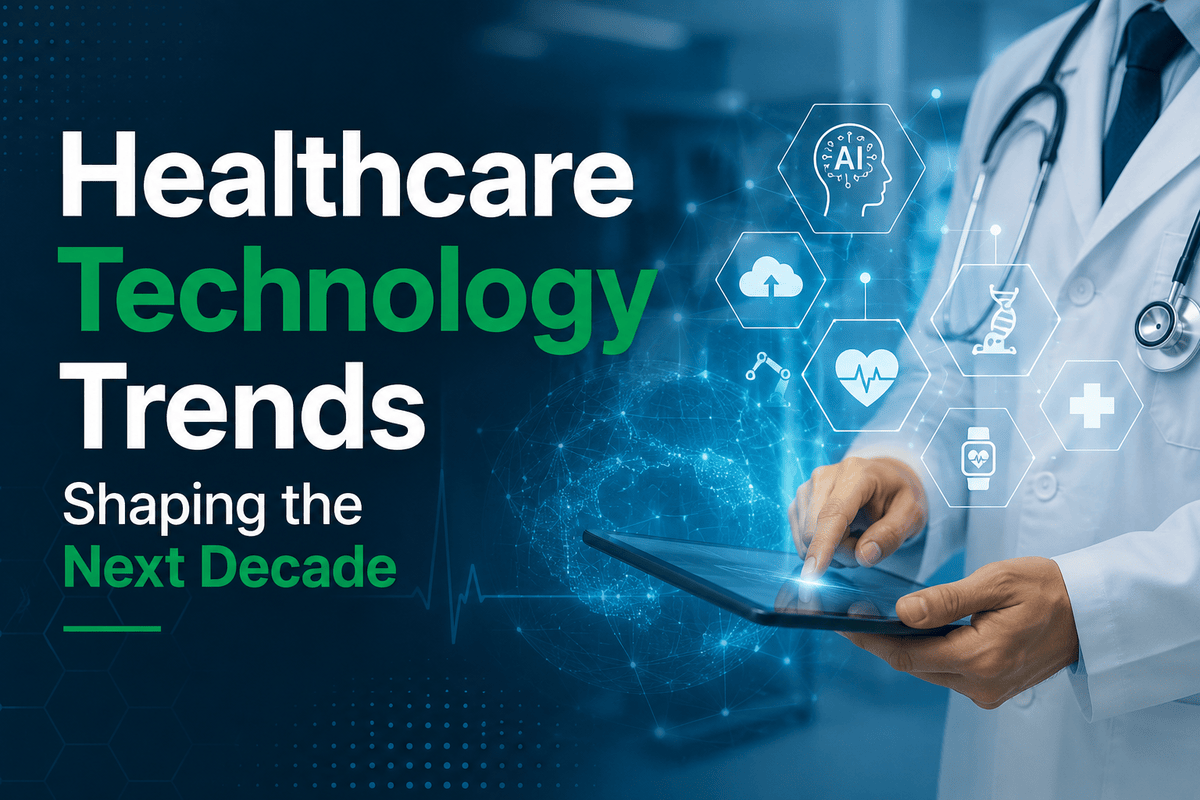
Healthcare is entering a technology-driven era where digital tools are changing how providers deliver care, manage information, and communicate with patients. From artificial intelligence to remote monitoring, EMR Software is an example of how technology can simplify healthcare operations. As innovation continues, these developments are expected to influence healthcare delivery throughout the next decade.
Emerging technologies are creating new opportunities for healthcare providers to improve efficiency, accessibility, personalization, and patient outcomes.
It is predicted that artificial intelligence will have an increased influence on making decisions in healthcare, conducting diagnostics, and managing administrative processes. With the help of AI technologies, healthcare specialists will be able to work with large volumes of medical data and find patterns more effectively.
In the next 10 years, artificial intelligence may become helpful in creating individual treatment plans and conducting clinical research. The assistance of a human will still be necessary; however, intelligent technologies can facilitate this process.
Remote patient monitoring becomes increasingly important for dealing with patients that do not need to visit the healthcare facility. Special devices allow receiving such information as heart rate, blood pressure, and glucose levels of patients.
Such technologies can help healthcare specialists to detect changes in time and provide continuous care regardless of the necessity to visit the healthcare facility regularly.
Telehealth has increased accessibility to healthcare due to the ability to contact providers using digital means. Virtual appointments will make some healthcare services easier to access for those living away from medical establishments.
With further development of technology, telehealth software can provide more features such as remote monitoring and electronic health records. That would result in increased connections between the stages of treatment and reduction of unnecessary trips to the medical facility.
In light of the rising need for specialized technology that provides scheduling, patient management, communication, and other aspects, AppGuruFinder software directory will be beneficial for searching for software needed by healthcare organizations.
Accessing a wide variety of technologies makes the search for software more thorough. With continued development of healthcare technology, software marketplaces can become valuable resources for comparing similar tools created to increase efficiency of work.
Technology worn on the body is increasingly offering people valuable information about their health status. Devices such as smart watches, among others, can be used to monitor different measurements related to health and motivate patients to have active participation in managing their health.
The next ten years may see wearable technologies increasingly used in connection with health systems to attain information related to health status.
Automation is increasingly important in the health sector, especially in performing surgery operations. Robots can help doctors perform certain operations with precision and expertise.
Apart from being applied in surgeries, automation of operations in hospitals through robotics may help health organizations manage their work in a better way.
There is a shift in healthcare from generic treatments towards personalized solutions enabled by patient information such as medical data and health histories. EMR Software can help healthcare providers organize and access patient records, making relevant information easier to use when assessing individual healthcare needs.
With the advancement of connected healthcare facilities, data-driven technologies may enable more customized healthcare and monitoring practices. Nevertheless, healthcare organizations will have to ensure that privacy, security, and governance of patient-related information are properly managed.
With the increased digitization and interconnectivity of healthcare facilities, the problem of cybersecurity remains important. Electronic records, connected devices, and web-based solutions provide valuable resources for cyberattacks and require robust protection practices.
Healthcare facilities will have to increase the security of access, monitoring, data protection and cyber security awareness. Thus, future healthcare technology will not only be innovative but secure.
The use of blockchain technology in managing patient information in health institutions can increase security of records and ensure traceability of the information exchanged. This will also assist in ensuring that only authorized users can have access to the information.
The technologies used in health care will revolutionize the entire industry within the next decade with the help of AI and telemedicine. By embracing these technologies, the providers will be able to increase their efficiency and effectiveness.

This post has been authored and published by one of our premium contributors, who are experts in their fields. They bring high-quality, well-researched content that adds significant value to our platform.