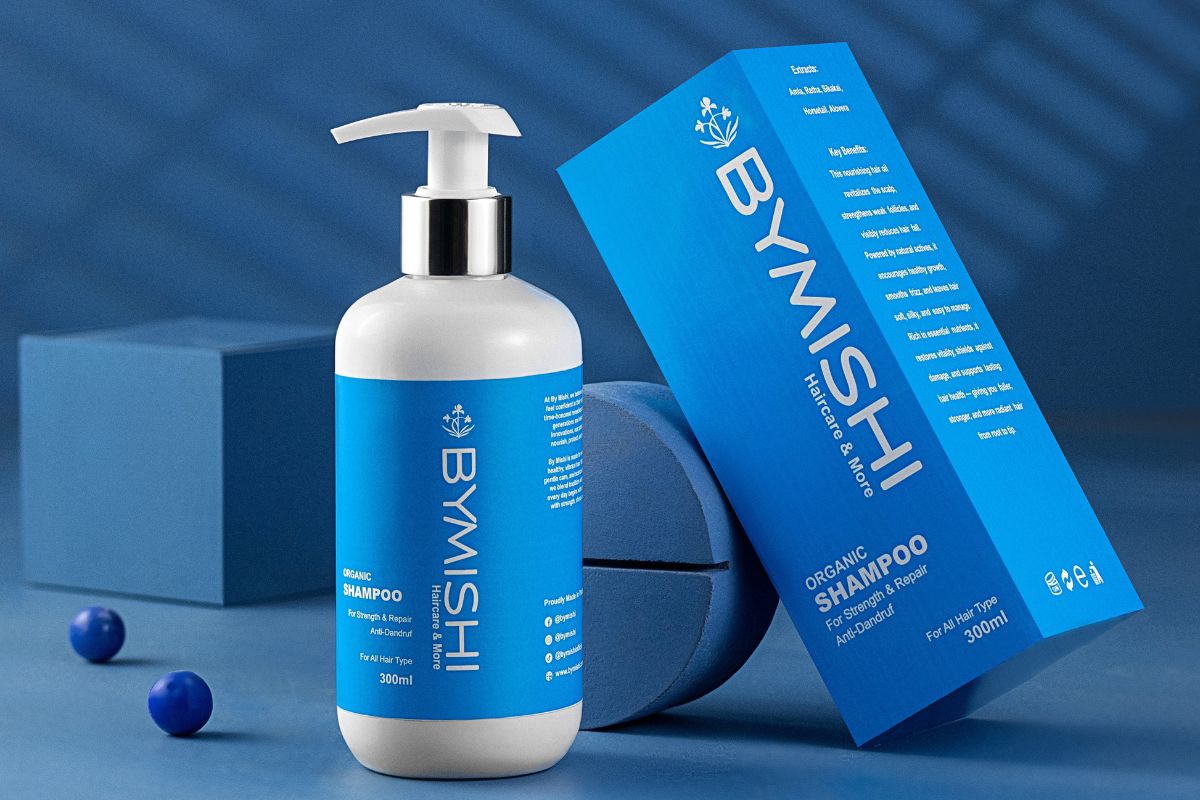
Choosing the proper shampoo is the first easy step in taking care of your hair. However, it might be difficult to choose the best alternative when there are so many on store shelves. The first and most crucial thing you can do if you live in Pakistan or are searching for hair care that is appropriate for the local environment is to know what makes a Pakistani shampoo suitable for your particular hair type.
You must comprehend your own hair before you even glance at a shampoo label. Because to genetics, Pakistani hair is frequently thick, coarse, and dark. However, each person has a very different type of hair. While some people have dry, brittle hair, others have oily scalps. Some people have curly or wavy hair, while others have straight hair.
There are four fundamental forms of hair to take into account. A lightweight, volumizing solution that doesn't make strands feel heavy is necessary for fine hair. To maintain thick or coarse hair soft and manageable, a highly hydrating product is necessary. A product that reduces excess sebum without stripping the scalp is necessary for oily hair. Intense feeding is necessary for the restoration and protection of dry or damaged hair.
Knowing your hair type makes it much easier to get the best Pakistani shampoo since you know precisely what to look for on the label.
Pakistan's climate is varied, ranging from the hot, dry plains of Punjab to the cooler, mountainous areas of KPK and Gilgit-Baltistan, as well as humid coastal towns like Karachi. The state of your hair is directly impacted by the surroundings in which you reside.
Hair tends to become frizzy and greasy more quickly in humid cities. You require a shampoo that has anti-frizz and oil-control qualities. Hair tends to lose moisture rapidly in hot, dry climates, therefore a moisturizing solution is more appropriate. Your scalp accumulates pollutants more quickly if you live in a dusty location, so you might need to use a clarifying shampoo once or twice a week.
A good Pakistani shampoo should be appropriate for both your hair type and the daily climate you live in.
Although most people don't read the ingredient list, it's actually one of the best things you can do. There are several elements in shampoos, some of which are significantly more advantageous than others.
In Pakistani hair care, look for natural substances that are typically relied upon. Deep hydration and hair strengthening from root to tip are two great uses for coconut oil. Indian gooseberry, or amla, has been used for ages to encourage hair growth and lessen breakage. Neem helps with scalp infections and dandruff because of its antibacterial qualities. Henna extract fortifies the hair shaft and gives it luster. Hair that has been heat-styled or chemically damaged can be smoothed and repaired using keratin.
However, be wary of sulfates, such as sodium lauryl sulfate, which can eventually cause dryness and remove natural oils. Sensitive people may experience scalp irritation from parabens and artificial perfumes. Look for labels that state "paraben-free" or "sulfate-free" if your scalp is sensitive.
Beyond only hair type, a lot of people in Pakistan deal with certain hair issues. One of the most prevalent problems, particularly during seasonal shifts, is dandruff. Seek out shampoos that contain tea tree oil, ketoconazole, or zinc pyrithione since these substances aggressively combat the fungus that causes dandruff.
Another big worry is hair loss. Stress, eating poorly, hormonal fluctuations, or utilizing the incorrect products can all contribute to this. Strengthening hair roots and reducing excessive shedding can be achieved with a Pakistani shampoo that contains biotin, caffeine, or herbal substances like bhringraj and amla.
A sulfate-free shampoo made specifically for color-treated hair will help the color last longer and prevent the hair from drying out for those who color or chemically treat their hair.
A clarifying shampoo that eliminates product buildup and brings back natural shine may be helpful if your hair seems lifeless and drab. However, because they can be fairly potent, they shouldn't be used frequently.
Many people answer this question incorrectly. Your hair loses its natural oils when you wash it too often, which can cause your scalp to become dry or even more oily as the scalp produces more sebum to compensate. Hair loss, clogged follicles, and product accumulation can result from underwashing.
Hair washing should be done two or three times a week for the majority of Pakistani people. You can use a mild product and wash more frequently if your scalp is oily. Limit washing to twice a week if your hair is dry, and always use a conditioner afterward.
Over time, your hair's condition can be significantly improved by using the proper Pakistani shampoo at the appropriate frequency.
Shampoo is insufficient on its own. You take away some of the hair's natural moisture each time you shampoo. In addition to smoothing the cuticle and restoring moisture, a conditioner facilitates combing and styling. Since most brands tailor their products to function together, look for a conditioner that complements your shampoo.
Conditioner should be applied from the mid-lengths to the ends of your hair, avoiding the roots, particularly if your scalp is greasy. Before rinsing, let it sit for two to three minutes.
You might not locate the ideal match right away, even after conducting extensive investigation. The quality of your water, your nutrition, and your general health can all affect how well your hair looks. Many Pakistani cities have hard water, which might reduce the effectiveness of even the greatest shampoo. Use a shower filter or periodically rinse with bottled water if you think hard water is a problem.
Before determining whether a new shampoo is effective or not, give it at least four to six weeks. Results are rarely instantaneous, and it takes time for hair to adapt to new products.
Don't base your purchase of a Pakistani shampoo solely on its packaging or cost. Excellent ingredients may be found in many reasonably priced solutions, proving that expensive does not always equate to better. Read reviews from people who have comparable hair types and issues. Verify whether the product has undergone dermatological testing or approval. Check to see if the brand uses any natural or locally sourced ingredients, as they are frequently more suited to Pakistani hair types.
When attempting something new, start with smaller sizes to save money if it doesn't fit you.
To read more blog: Top Hoodie Fashion Trends Ruling Streetwear
Purchasing the most marketed product or following trends are not the best ways to choose a Pakistani shampoo. Understanding your hair, knowing which substances are best for your particular needs, and sticking to a program that fits your climate and way of life are all important.
Your hair reacts when you make a wise decision. With every wash, it gets stronger, healthier, and easier to handle. Read the labels, start with the fundamentals, and treat your hair with the respect it deserves.

This post has been authored and published by one of our premium contributors, who are experts in their fields. They bring high-quality, well-researched content that adds significant value to our platform.